Seasonal Safari Guide
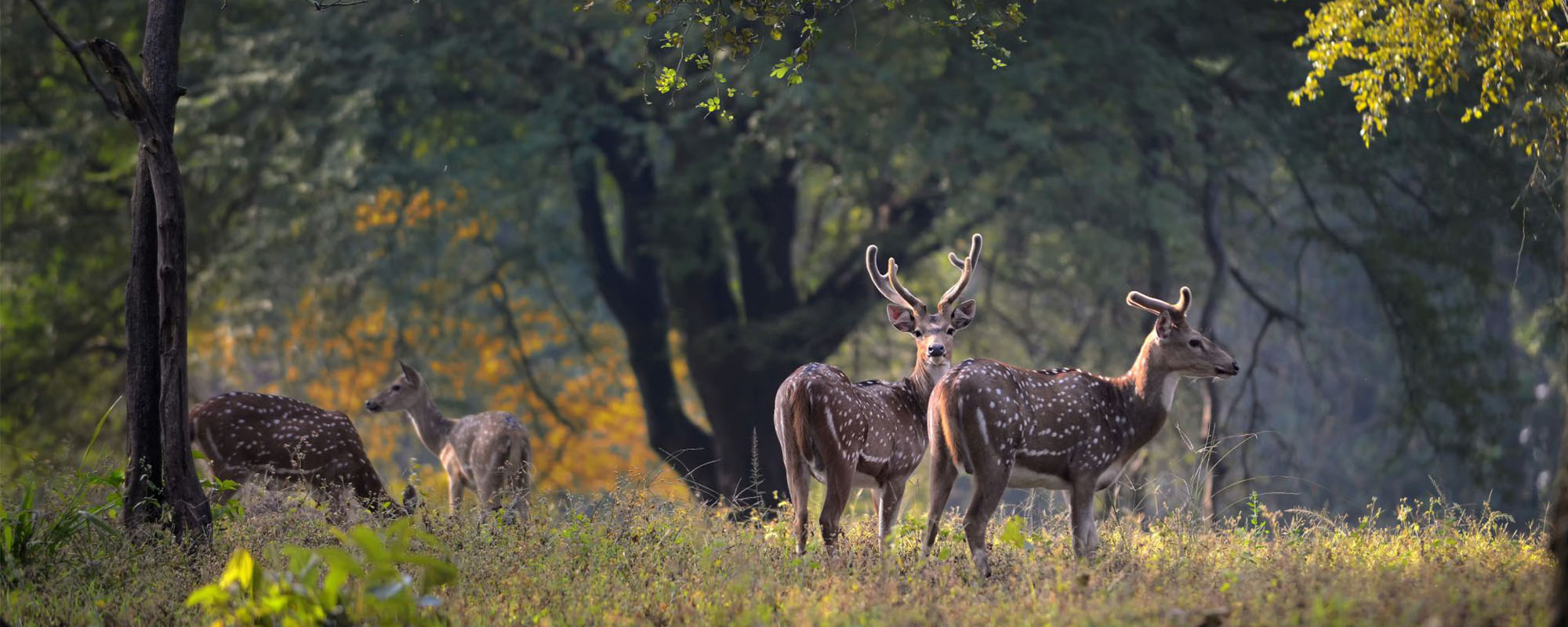
Satpura National Park undergoes dramatic changes with the changing seasons. From the lush green foliage of the early winter to the golden dry landscapes of peak summer, each month offers a unique wildlife experience.
Winter (November to February)
Winter is considered the perfect time for wildlife enthusiasts. The weather is cool and pleasant, making long jungle drives extremely comfortable. Sparsely scattered vegetation improves visibility for spotting tigers, leopards, and sloth bears. This is also the peak season for birdwatching as thousands of migratory birds make Satpura their home.
Summer (March to June)
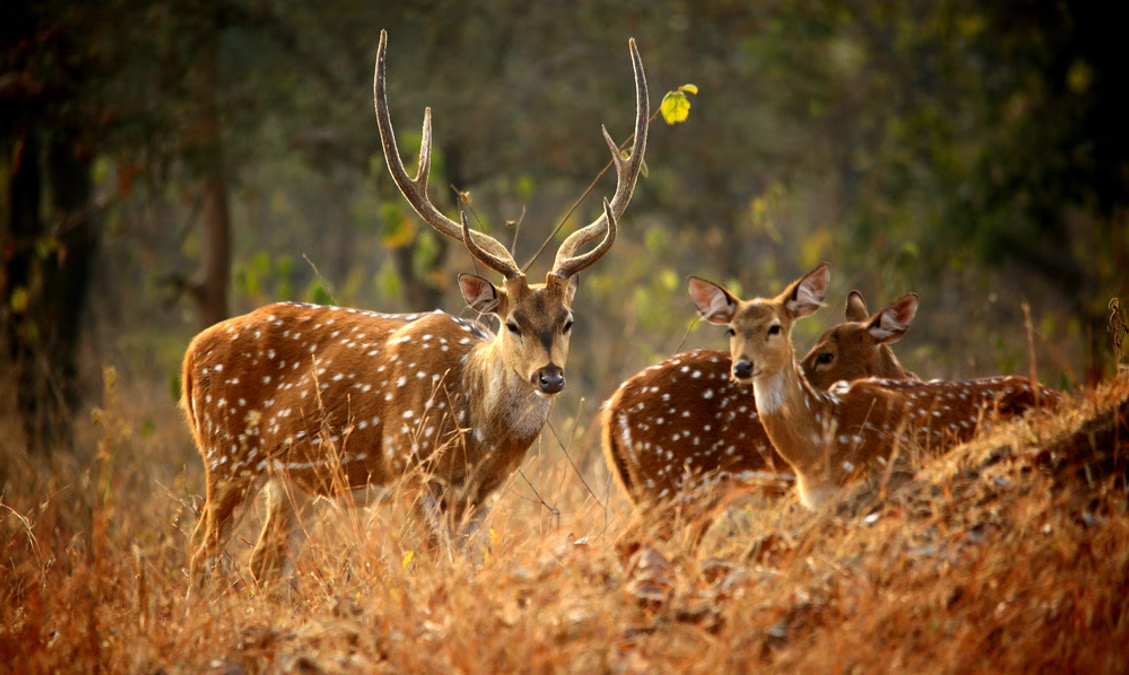
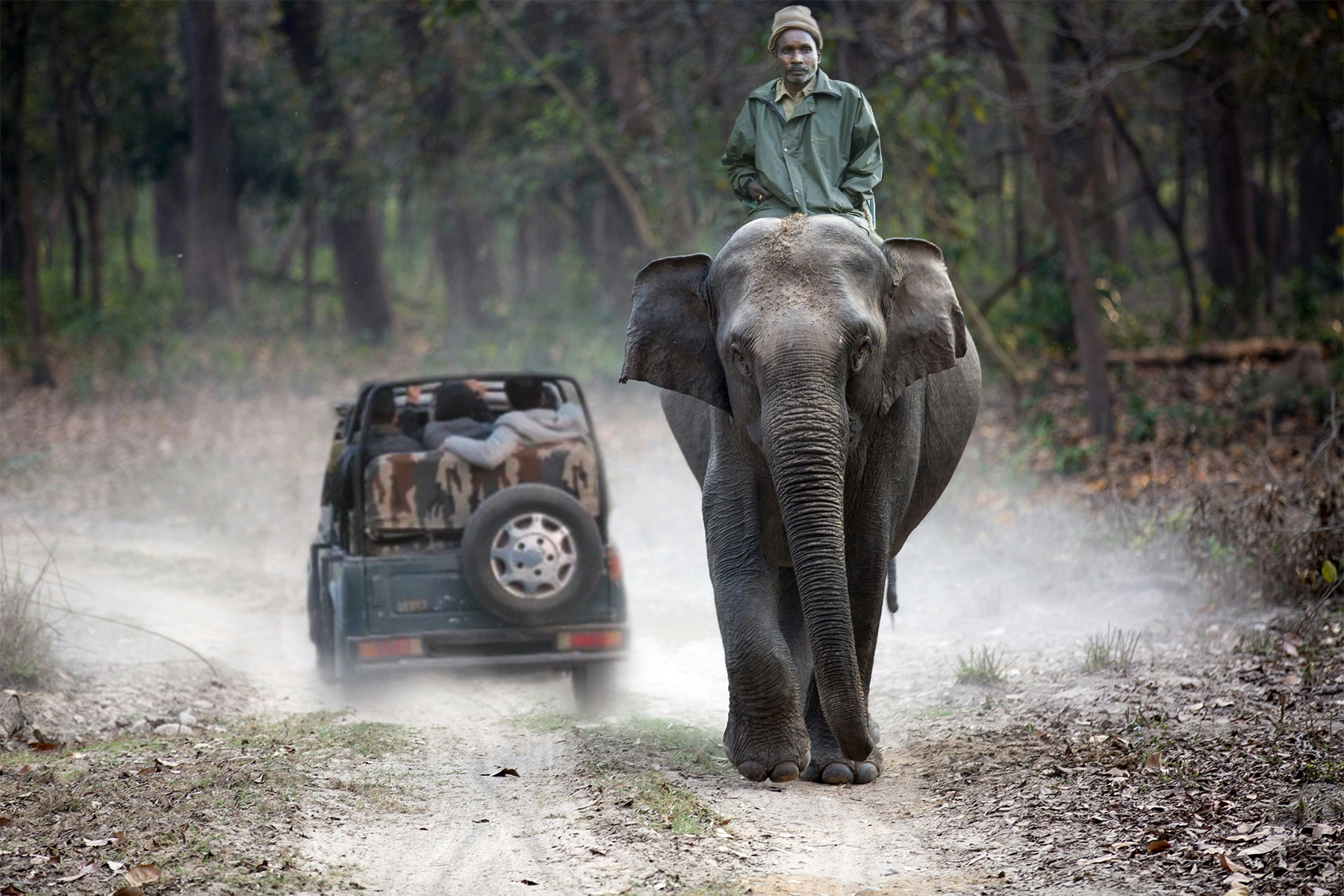
Peak summer is the ultimate time for Big Cat sightings. As water sources dry up, animals are drawn to the remaining waterholes, offering high-impact wildlife shows. Despite the heat, the dry forest allows you to see deep into the jungle. Early morning and late evening drives remain the highlight when temperatures are more manageable.
Monsoon (July to September)
The core zones of Satpura National Park remain closed during the monsoon for forest rejuvenation and animal breeding. The park transforms into a vibrant green paradise during this time. While safari is off-limits, the surrounding buffer zones and nearby Pachmarhi remain open for nature lovers who appreciate lush landscapes and mist-covered hills.